
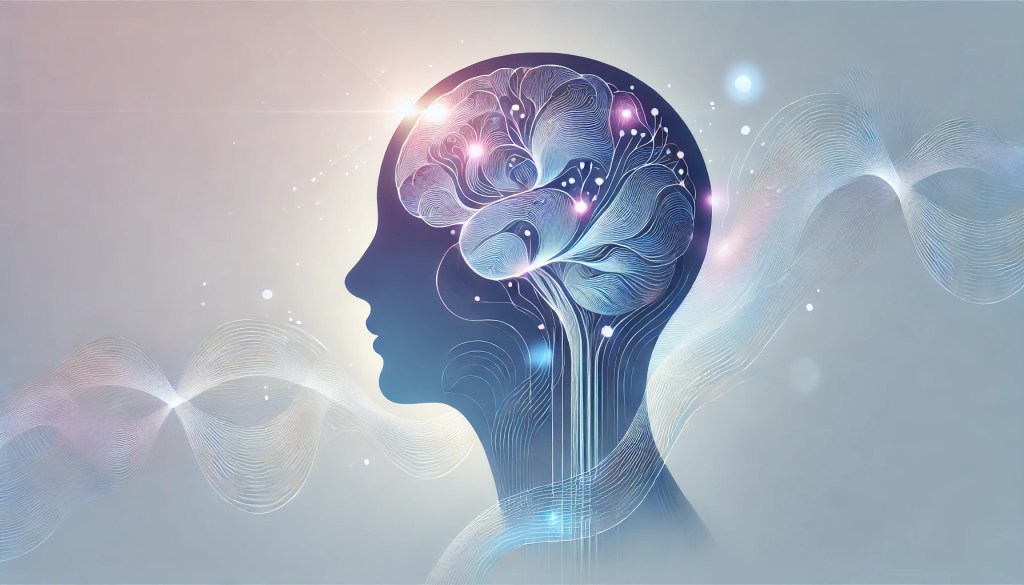
Hello Dazzle! Thanks for coming and hanging out with me today, I’m glad that you are here. Today I want to talk about the way that pain can change our brains.
Chronic pain isn’t just a persistent discomfort; it can lead to significant changes in the brain’s structure and function. Understanding these changes is crucial for those living with chronic pain, as it sheds light on the complex relationship between our bodies and minds.
What Happens to the Brain When Chronic Pain Persists?
When pain becomes chronic, the brain undergoes neuroplastic changes—essentially, it rewires itself. This rewiring can heighten sensitivity to pain signals, making the body more alert to discomfort. Over time, the brain’s pain-processing regions become more efficient at transmitting pain signals, which can exacerbate the perception of pain.
Which Areas of the Brain Are Most Affected by Chronic Pain?
Chronic pain primarily impacts several key brain regions:
- Prefrontal Cortex: Responsible for decision-making and personality traits, this area can experience physical alterations due to chronic pain, potentially leading to negative changes in personality.
- Amygdala: Involved in emotion processing, chronic pain can affect the amygdala’s decision-making function, leading to impaired decision-making.
- Anterior Cingulate Cortex (ACC): Associated with emotional regulation and pain perception, the ACC can undergo synaptic changes that contribute to the persistence of pain.
How Does Chronic Pain Impact Emotions, Cognition, and Movement?
The neuroplastic changes associated with chronic pain can lead to:
- Emotional Effects: Increased activity in the amygdala can heighten feelings of anxiety and depression, creating a cycle where emotional distress amplifies the perception of pain.
- Cognitive Effects: Alterations in the prefrontal cortex can impair decision-making and concentration, making everyday tasks more challenging.
- Motor Effects: Changes in the brain’s motor regions can disrupt movement planning and execution, potentially leading to decreased physical activity and further muscle deconditioning.
Are There Therapies or Habits That Can Reverse or Ease These Brain Changes?
Yes, several interventions can promote positive neuroplasticity, helping to mitigate the brain changes associated with chronic pain:
- Pain Reprocessing Therapy (PRT): This therapeutic approach teaches individuals to perceive pain signals as less threatening, aiming to “unlearn” chronic pain patterns.
- Mindfulness Meditation: Practicing mindfulness can reduce pain-related brain activity, offering a non-drug method for managing chronic pain.
- Exercise: Regular physical activity stimulates the production of new brain cells and neural pathways, counteracting ingrained chronic pain pathways.
- Scrambler Therapy: A noninvasive treatment that can provide significant relief by “resetting” the brain’s pain processing mechanisms.
Why Is Understanding These Changes Helpful for Someone Living with Chronic Pain?
Recognizing that chronic pain involves both physical sensations and brain-based changes empowers individuals to seek comprehensive treatment approaches. Understanding the brain’s role in pain perception highlights the importance of therapies that address both the mind and body, fostering a more holistic path to relief and improved quality of life.
Well, that’s about it for my rambling today. Thanks for coming and spending some time with me. If you like what you read, click on that like button. It really does help! Until we talk again, you take care of yourselves!
References and Further Reading
- Neurobiology of Migraine: Chronic Pain and Brain Pathways Tanaka, M., Tuka, B., & Vécsei, L. (2024). Cells. Chronic migraine is linked to persistent neuroplastic changes in pain pathways. This study highlights structural brain alterations associated with prolonged pain conditions. Read PDF
- Role of the Locus Coeruleus in Chronic Pain
España, J. C., Yasoda-Mohan, A., & Vanneste, S. (2024). International Journal of Molecular Sciences. Neuroplastic changes in the locus coeruleus affect brain-body coordination and memory, perpetuating chronic pain. This research provides insights into differing dynamics of neuroplasticity. Read Full Text - Motor Dysfunction in Chronic Low Back Pain
Estradera-Bel, M., La Touche, R., & Pro-Marín, R. (2024). Brain and Cognition. Chronic low back pain alters motor planning and sensorimotor pathways due to neuroplasticity, disrupting the brain’s motor execution systems. Read More - Prefrontal Cortex and Chronic Pain
Haavik, H., Niazi, I. K., Amjad, I., Kumari, N., & Ghani, U. (2024). Brain Sciences. Chronic pain impacts the prefrontal cortex (PFC), the central hub for mood and pain regulation, leading to depressive symptoms and persistent discomfort. Read Full Text - Amygdala Dysfunction and Pain
Yakhnitsa, V., Thompson, J., Ponomareva, O., & Ji, G. (2024). Cells. The study identifies hyperexcitability in the amygdala, driven by dysfunction in potassium channels, as a major factor in chronic pain. Read PDF - Phantom Limb Syndrome and Neural Plasticity
Granata, G., Di Iorio, R., Ilari, S., & Angeloni, B. M. (2024). Neurological Sciences. This study connects phantom limb pain to neural reorganization and maladaptive neuroplastic changes in the brain. Read Full Text - Transcranial Magnetic Stimulation for Chronic Pain
Du, Y., Li, Y., Hu, J., et al. (2024). Pain and Therapy. Neuroplastic adaptations underlie repetitive transcranial magnetic stimulation’s (rTMS) role in relieving chronic pain by modulating spinal and cortical pain responses. Read PDF - Chronic Pain and Brain-Derived Neurotrophic Factor (BDNF)
Rajamanickam, G., Lee, A. T. H., & Liao, P. (2024). Neurochemical Research. The study highlights the role of BDNF in mediating neuroplasticity and post-stroke pain, providing a therapeutic target for chronic pain. Read More - Exercise and Neuroplasticity in Chronic Pain
Holland, C. J., Cole, M., & Owens, J. (2024). British Journal of Sports Medicine. Exercise promotes neuroplastic adaptations that counteract chronic pain, improving mental health and neural resilience. Read PDF - Inflammation and Chronic Pain Mechanisms
Awad-Igbaria, Y., Edelman, D., & Ianshin, E. (2024). Brain. Neuroplastic changes driven by inflammation and nerve growth factor contribute to chronic vulvar pain and other localized hypersensitivity conditions. Read Full Text


 Zebra Pig
Leave a comment