
Hello Dazzle! Thanks for coming and hanging out with me today, I’m glad that you are here. Living with Ehlers-Danlos Syndrome (EDS) has taught me a lot about resilience, self-awareness, and the importance of meaningful relationships. EDS, a genetic condition that affects connective tissue, has been a part of my life from the very beginning. But as my symptoms have worsened over the years, I’ve had to adapt not only to the physical challenges but also to the shifting dynamics in my relationships with friends and family.
This post is a reflection on how chronic illness has influenced my connections, the lessons I’ve learned about setting boundaries, and how these changes have ultimately shaped my well-being.
Understanding Ehlers-Danlos Syndrome and “Spoons”
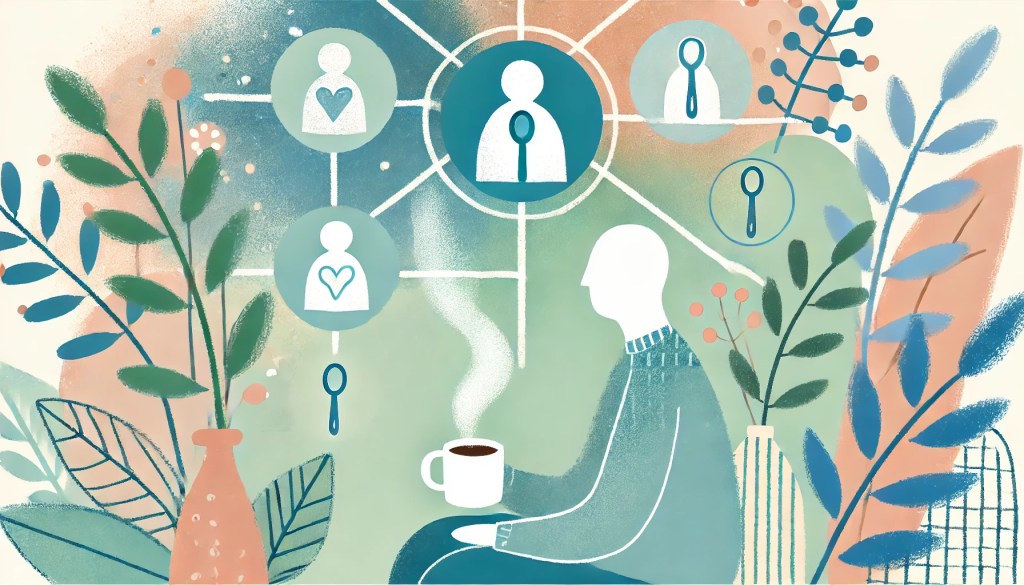
For those unfamiliar, Ehlers-Danlos Syndrome affects the connective tissues supporting the skin, joints, and other organs. While the severity varies from person to person, EDS can result in chronic pain, fatigue, and mobility issues. Over time, I’ve noticed that my energy levels have decreased significantly, leaving me with fewer “spoons” to allocate each day.
The Spoon Theory, a metaphor coined by Christine Miserandino, explains the limited energy reserves of someone living with a chronic illness. Each activity—whether it’s running errands or attending a family gathering—requires spoons, and once they’re gone, there’s no replenishing them until the next day. This reality has greatly impacted how I engage with the world and the people in my life.
How My Relationships Have Evolved
One of the biggest changes I’ve noticed is the reduced time I can spend with others. When I was younger, I could easily socialize without worrying about the aftermath. Now, every outing or interaction requires careful planning to ensure I don’t overexert myself.
Some relationships have grown stronger as people have come to understand my limits and support me in ways I never expected. Others, however, have become strained. Friends and family often struggle to reconcile the person I am today with the person they remember. This disconnect can lead to frustration, disappointment, or even conflict.
Challenges in Maintaining and Adapting Relationships
One of the hardest things about living with a chronic illness is watching others hold onto outdated expectations of who you are. I’ve had friends approach me with the same energy and enthusiasm they used to, only to feel hurt or confused when I couldn’t meet them halfway.
These moments are tough because they highlight the gap between intention and reality. I know they mean well, but their inability to adapt to my current circumstances can leave me feeling isolated.
The Power of Setting Boundaries
Setting boundaries has been one of the most transformative lessons in my journey. At first, saying “no” felt selfish, especially to those I care about. But I’ve learned that boundaries are necessary for my well-being.
For example, I’ve had to be clear about how much time I can spend with someone or what activities I can participate in. While some people respect these boundaries, others challenge them, which can be emotionally draining. It’s a constant process of advocating for myself while navigating the expectations of others.
How These Changes Have Improved My Well-Being
Oddly enough, these challenges have led to some unexpected positives. By prioritizing my needs and only engaging when I have the energy, I’ve become more present during interactions. This shift has deepened my relationships and allowed me to connect on a more meaningful level.
In addition, learning to set boundaries has given me a sense of control over my life. Instead of feeling obligated to meet others’ expectations, I focus on what’s realistic and beneficial for my health.
Advice for Others Facing Similar Challenges
If you’re navigating changes in your relationships due to chronic illness, my biggest advice is to give yourself grace. You don’t have to do everything, and it’s okay to prioritize your needs.
- Communicate openly: Let others know what you need and why.
- Set realistic boundaries: It’s not selfish to protect your energy; it’s essential.
- Seek support: Surround yourself with people who understand and uplift you.
- Practice self-care: Remember, you can’t pour from an empty cup.
Most importantly, know that you’re not alone. There are communities and resources available to help you navigate these changes.
Conclusion
Living with EDS has reshaped my relationships in profound ways. While it hasn’t always been easy, these changes have taught me the value of self-care, clear communication, and authentic connections. If you’re facing similar challenges, I hope this reflection offers some comfort and guidance.
You have the power to redefine your relationships and build a life that honors your needs. And that, to me, is the ultimate strength.
Well, that’s about it for my rambling today. Thanks for coming and spending some time with me. If you like what you read, click on that like button. It really does help! Until we talk again, you take care of yourselves!

 Zebra Pig
Leave a comment