

Hello, Dazzle! 🌟
Thanks for coming and hanging out with me today—I’m always happy to have you here. Today, I want to talk about self-care and how it’s often confused with self-indulgence. I see a lot of posts online that claim to be about self-care, but when you look closer, they’re actually about self-indulgence. And while there’s absolutely nothing wrong with indulging now and then (in fact, it can be a good thing in moderation!), I think it’s important to understand the difference between the two.
Self-Care vs. Self-Indulgence: What’s the Difference?
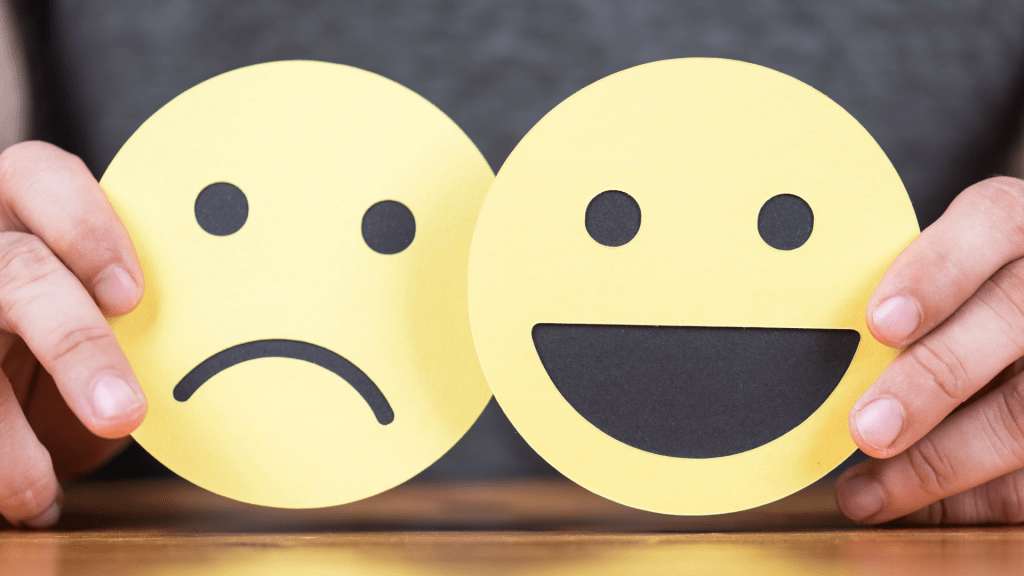
While both terms might seem similar, they serve very different purposes.
🔹 Self-care refers to intentional activities that support your physical, emotional, and mental well-being. It’s about making choices that improve your overall health, even when they aren’t always easy or fun in the moment.
🔹 Self-indulgence, on the other hand, is about giving in to desires without considering long-term consequences. It often provides temporary pleasure but can sometimes come at the expense of your health, responsibilities, or well-being.
A Psychological Perspective on Self-Care
From a psychology standpoint, self-care is crucial for mental and emotional regulation. Studies have shown that regular self-care practices help:
✔️ Lower stress levels by reducing cortisol (the stress hormone)
✔️ Improve mood by boosting serotonin and dopamine (feel-good chemicals)
✔️ Enhance resilience by helping you cope with challenges more effectively
✔️ Prevent burnout by giving your mind and body time to recharge
Meanwhile, self-indulgence—especially when excessive—can have the opposite effect. For example, while binge-watching TV might feel relaxing in the moment, too much screen time can disrupt sleep, increase anxiety, and leave you feeling drained.
So how can you tell the difference between the two? Here’s a breakdown:
Examples of Self-Care
These are activities that nourish your well-being and promote long-term health:
- Prioritizing sleep – Getting 7–9 hours of quality sleep each night
- Eating well – Fueling your body with nutrient-dense foods and proper hydration
- Moving your body – Exercising to feel strong and energized, not just to change how you look
- Taking mental breaks – Stepping away from screens, work, or stressors to reset your mind
- Practicing mindfulness – Meditation, deep breathing, or gratitude exercises
- Engaging in hobbies – Doing things that bring you joy and fulfillment
- Spending time with loved ones – Nurturing healthy relationships
- Laughing and finding joy – Watching a funny movie, playing with pets, or simply embracing moments of happiness
Why It Works:
Each of these activities contributes to long-term emotional regulation, reduced anxiety, and increased overall happiness.
Examples of Self-Indulgence
These are activities that feel good in the moment but can be harmful if done excessively:
- Binge-watching TV until 3 AM (and then feeling exhausted the next day)
- Eating an entire pint of ice cream out of stress (instead of addressing the root cause)
- Spending money on things you don’t need (leading to financial stress later)
- Skipping responsibilities in favor of temporary pleasure (procrastination trap!)
- Over consuming alcohol or caffeine (which can affect mood and sleep)
- Doom scrolling social media (leaving you feeling drained and disconnected)
Why It Can Be Harmful:
Self-indulgence isn’t necessarily bad—it becomes a problem when it replaces self-care or negatively impacts your health. For example, treating yourself to dessert is totally fine, but eating unhealthy foods as a coping mechanism can lead to guilt, low energy, or even long-term health issues.
The Key to Balance
The real takeaway here is balance. Self-care and self-indulgence both have a place in our lives, but self-care is what truly sustains us. It’s about making choices that prioritize our well-being, even when they aren’t the easiest or most immediately gratifying.
Self-care means:
✅ Choosing to go to bed on time, even when you want to watch “just one more episode”
✅ Drinking water and nourishing your body, even when you’re craving junk food
✅ Moving your body, even when you feel unmotivated
✅ Setting boundaries and saying no when something drains your energy
✅ Practicing self-compassion, even when your inner critic is loud
In contrast, self-indulgence is about giving in to immediate gratification, which, if done too often, can undermine your well-being rather than support it.
Final Thoughts
At the end of the day, self-care isn’t about luxury spa days or expensive treats (though those can be nice!). It’s about the small, consistent choices that add up to a healthier, happier you.
So, Dazzle, next time you hear someone talking about self-care, ask yourself:
🧠 Is this helping me in the long run, or just providing short-term pleasure?
💖 Am I truly taking care of myself, or just seeking comfort?
Making that distinction is what real self-care is all about.
Thanks for spending time with me today! If you found this helpful, click that like button—it really helps! And if you’d like to support my work, you can buy me a coffee. ☕💜
Until next time, take care of yourselves! 💙✨

 Zebra Pig
Leave a comment